
Reloading Brass vs. Nickel-Plated Brass: What Every Reloader Needs to Know
If you’ve spent any time sorting through range brass, you’ve pulled out those shiny silver cases and asked yourself — is this stuff worth keeping?
I sort through thousands of cases every week. Brass, nickel, steel, aluminum — it all comes through my hands. So let me give you a straight answer on the brass vs. nickel debate, because there’s a lot of bad information floating around on this topic.
What’s the Difference?
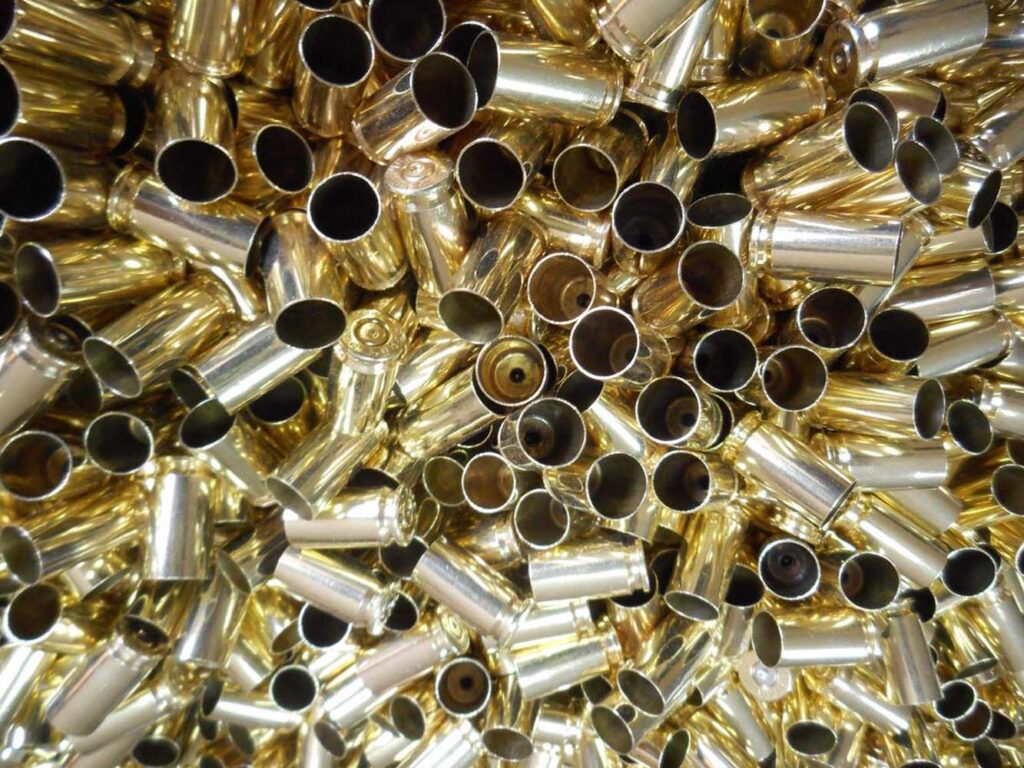
Standard brass cases are exactly what they sound like — a copper-zinc alloy that’s been the gold standard in ammunition manufacturing for over a century. Nickel-plated cases start as brass but get coated with a thin layer of nickel. That silver finish isn’t just cosmetic — it changes how the case performs over multiple reloads.

The Case for Nickel (It’s Shorter Than You Think)
Nickel does have some legitimate advantages.
It feeds smoother.
The slicker surface reduces friction in the chamber, which is why you’ll see a lot of factory defensive ammo loaded in nickel-plated cases. For a carry gun where reliable feeding could save your life, that matters.
Defects are easier to spot.
Cracks and splits show up clearly against that silver finish. With standard brass, a hairline crack can hide in the surface finish if you’re not looking carefully.
It resists tarnish.
Nickel holds up better in long-term storage without developing the greenish oxidation you sometimes see on brass. For ammo you’re stashing in a box for years, it looks better coming out.
Those are real benefits. But here’s where it falls apart for serious reloaders.
Why Most Experienced Reloaders Avoid Nickel
The plating flakes.
Over multiple resize and firing cycles, the nickel coating starts to separate from the brass underneath. Those flakes don’t disappear — they end up in your sizing dies, your seating dies, and eventually your chamber. It’s slow die wear you won’t notice until your brass starts coming out inconsistent.
It’s more brittle.
Nickel makes the underlying brass harder and less forgiving. Brass naturally work-hardens over time, but nickel accelerates that process. You’ll see case head separation and neck cracks sooner than you would with standard brass. For high-volume reloaders, that shorter case life adds up fast.
It can’t be annealed effectively.
Annealing — the process of heating case necks to restore brass softness — is one of the best ways to extend case life. Nickel-plated cases don’t respond the same way. The plating interferes with the process, so you lose one of the best tools in your case maintenance toolbox.
You’ll burn through dies faster.
If you’re loading high volumes, nickel flaking accelerates wear on your carbide dies. That’s a cost that doesn’t show up on the box of brass but shows up eventually on your equipment budget.
So When Does Nickel Make Sense?
Load it once. That’s really the answer.
Nickel-plated brass is fine — even ideal — for defensive carry ammo you’re loading once and rotating out every year or two. Smooth feeding, easy visual inspection, good corrosion resistance. It does exactly what it needs to do in that application.
For practice ammo, stockpiling reloads, or anything you’re running through the press more than twice — stick with brass. You’ll get more reloads per case, less die wear, and the ability to anneal when needed.
What I Stock and Why
When I’m sourcing brass from indoor ranges and law enforcement agencies, I’m primarily looking for quality brass cases. I do pull nickel out of the mix — it’s not worthless — but I’m honest with my customers about what they’re getting and what it’s best used for.
The reloaders who’ve been at this for years already know: brass is the workhorse. Nickel is a specialty item. Buy accordingly.
The Bottom Line
| Brass | Nickel-Plated | |
| Reloads per case | High | Lower |
| Die wear | Normal | Accelerated |
| Feeding | Good | Excellent |
| Annealable | Yes | Not effectively |
| Defect visibility | Moderate | Better |
| Best use | High-volume reloading | Single-load defensive ammo |
If you’re building a stockpile or loading for volume practice, brass wins every time. If you’re loading 50 rounds of carry ammo you’ll rotate out annually, nickel is a reasonable choice.